

The New Year Problem Retailers Face
January always brings the same question: “What do we stock next—and how do we keep shelves full without overbuying?” We suggest retailers give customers as many options as possible by setting small models across multiple styles, band selections, and colors they believe will sell best in their store. As hats sell, retailers can follow up the following week to reorder what’s been sold. This approach helps ensure some sizes of different models remain available, allows retailers to see what truly works in their market, and minimizes the risk of discounting slow-moving styles.
Why Lighter Colors Behave Differently in Production
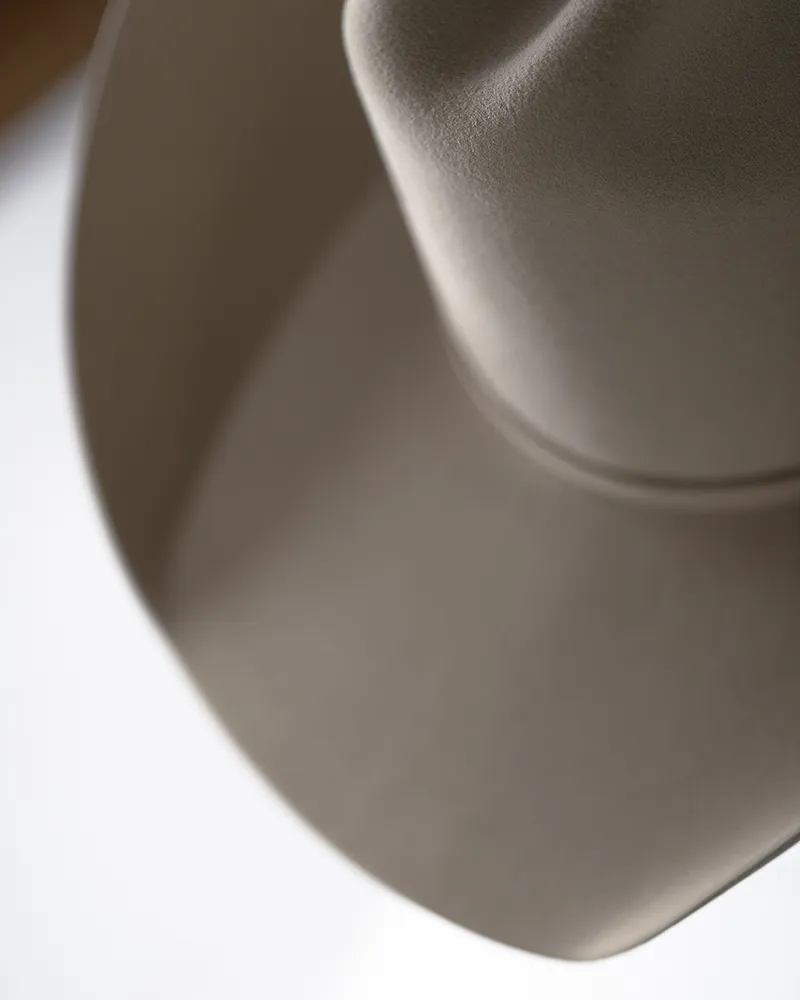
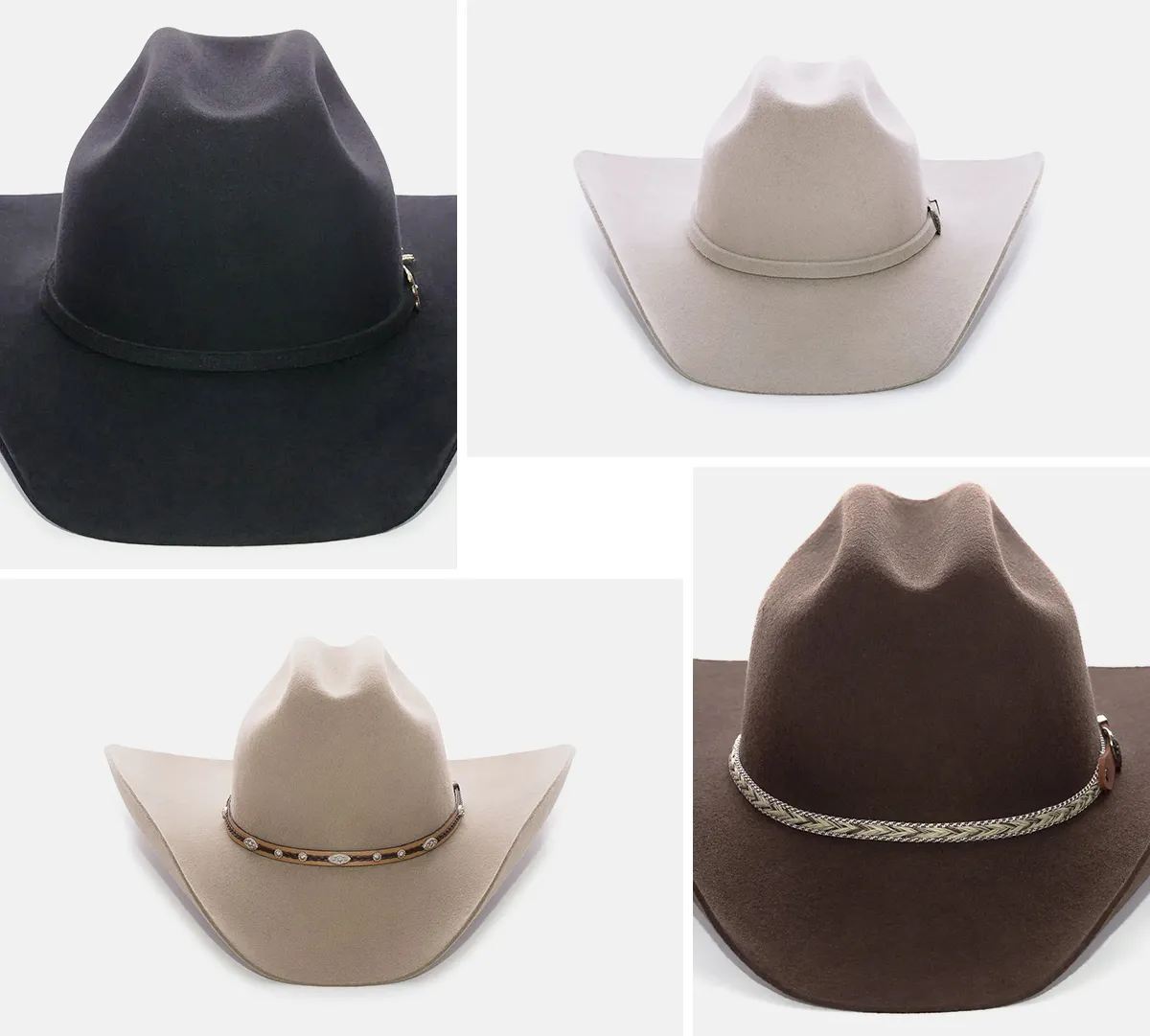
Light felts (think Silverbelly, Bone, Natural Grey) are less forgiving. They show imperfections sooner and can darken or burn more easily when exposed to excess heat or steam. In high-volume production environments, this means the factory has to treat lighter colors differently—lower heat, tighter timing, and more careful handling throughout the day.
Practical takeaway for retailers: lighter colors require more precision and a slower pace, which naturally influences cost and scheduling.

Production Timing: The Detail Most Retailers Never Hear
In felt production, heat builds throughout the day. Under scaled production conditions, lighter colors are typically worked earlier—when machines are cooler—because the same heat and steam used for darker felts can shift light tones or leave marks.
This creates limited daily windows for certain colors.
Retailer takeaway: if your assortment leans into lighter felts for spring and event season, planning ahead matters more than it does for dark staples.
Why Price Differences Make Sense (and How to Explain Them)
When customers ask why a Silverbelly or Bone felt costs more than a darker option, the most honest answer is also the simplest: it takes more time and more care to produce consistently.
That added labor shows up in:
- Extra cleaning and prep
- Slower production windows
- Higher risk of visible imperfections (and stricter QC attention)
Retailer takeaway: you’re not selling “a color.” You’re selling the craft required to make that color look right.
Planning Guidance Retailers Can Use This Quarter
- Anchor your assortment with black and core neutrals (steady sellers).
- Add 1–2 lighter tones for spring and event-driven customers (premium feel, higher perceived value).
- If you’re building custom programs or changing catalog specs (open crowns, flat brims, color changes, non-catalog items), plan earlier—those orders require factory changeovers.
- Expect slight lot-to-lot variation. Felt is natural; different suppliers and batches can vary subtly, especially in lighter tones.
For Those Stocking MHT
We don’t keep hats sitting in warehouses. Every piece is made to order—crafted for your shelves, your customers, and your market.
Catalog orders typically ship in about 30 days
Custom orders typically ship in about 60 days
We cannot guarantee specific ship-by or delivery dates, especially during peak seasons.
Questions or order planning:
972-864-5523 | customerservice@masterhatters.com
FAQ: Master Hatters of Texas
Closing Thought
A smart buying year starts with clear expectations. When retailers understand how color, craft, and timing work together, they can plan better, sell with confidence, and protect the customer experience.