
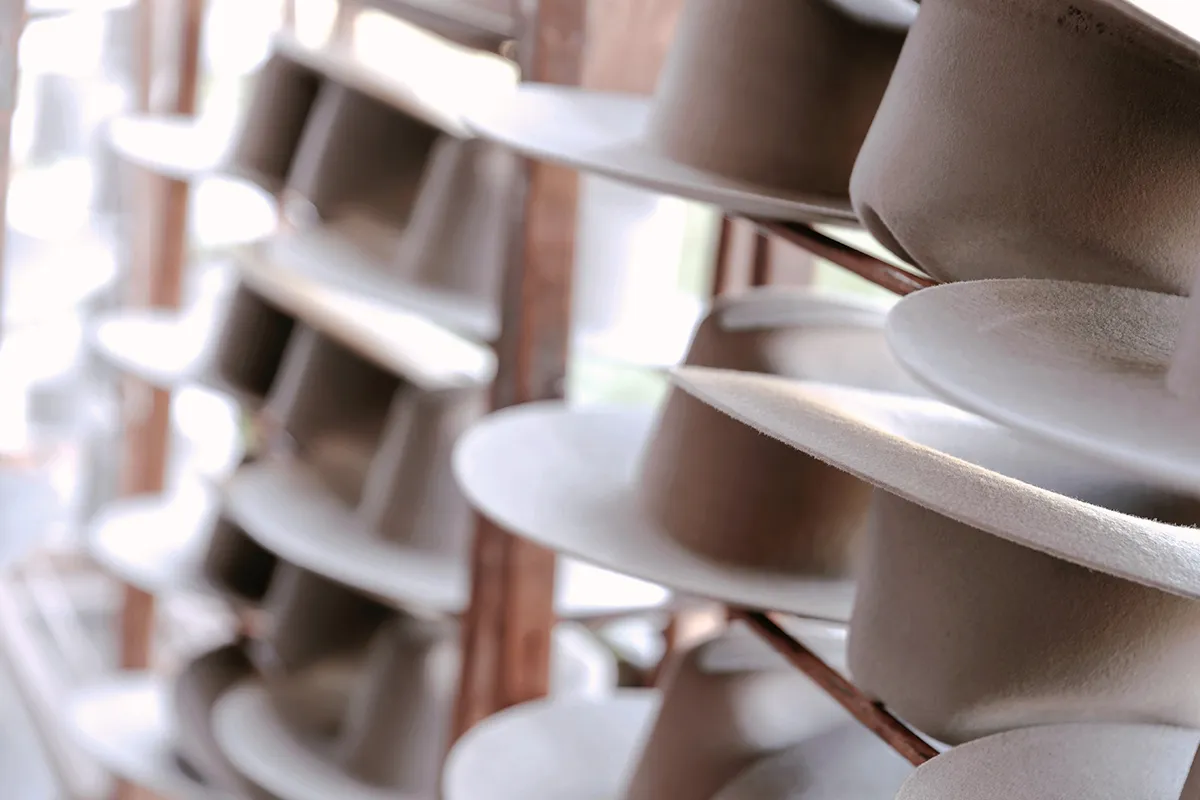
Why Felt Is Never Truly Identical
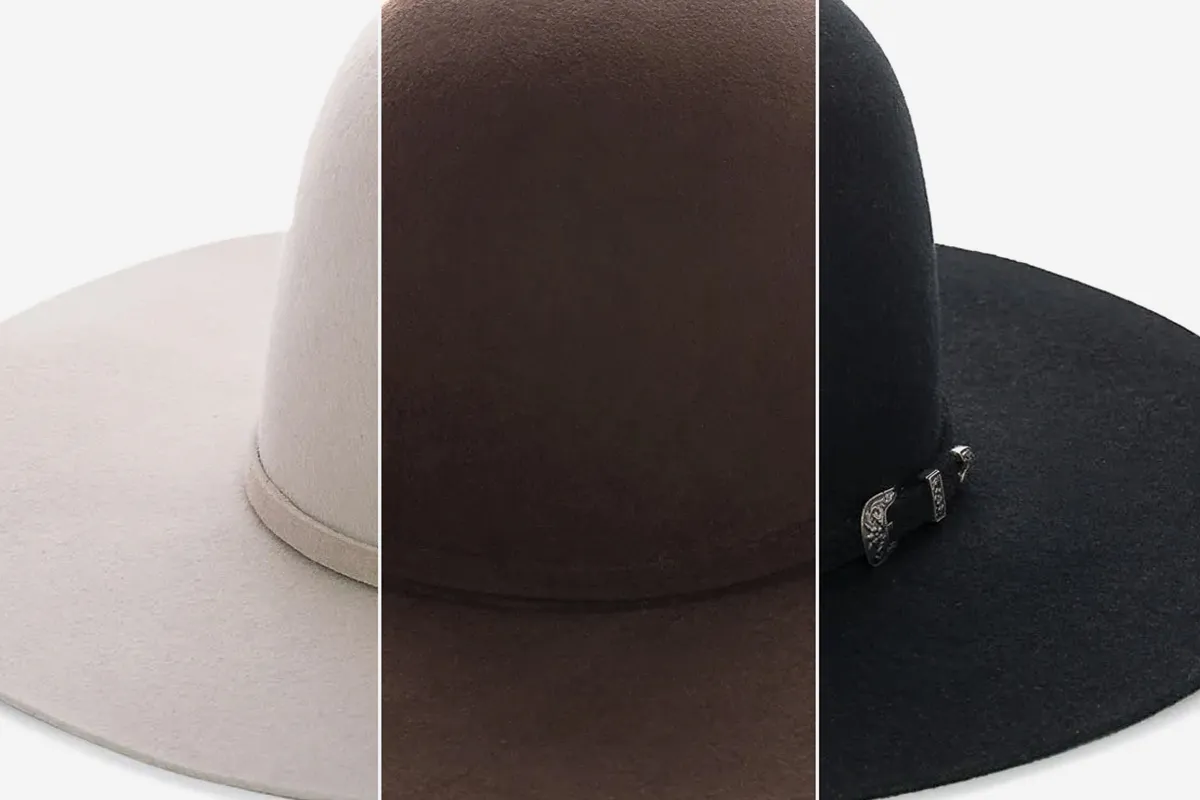
Customers often expect every felt hat to look exactly like the last one they purchased. In reality, felt is a natural material, not a synthetic product. Variations in fur quality, supplier lots, and seasonal conditions all influence how felt behaves during production.
Seasonal Fur Variation Explained
Fur can vary by season, region, and availability. Thicker or finer fur changes how felt sands, finishes, and responds to heat and steam. The end goal remains the same, but the process required to reach that standard can differ throughout the year.
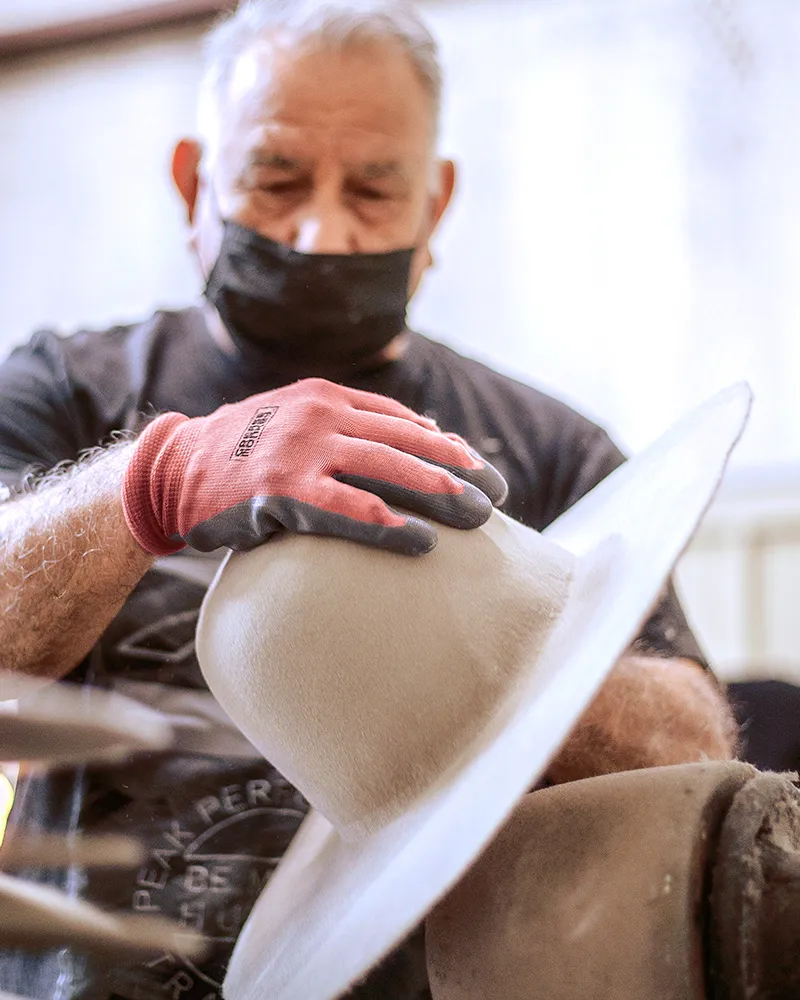
Craftsmanship Within High-Volume Production
At MHT, consistency is achieved through a balance of skilled handwork and high-volume production environments. Experienced hatmakers adjust sanding, finishing, and shaping techniques based on how the felt is responding—decisions that cannot be automated without sacrificing quality.
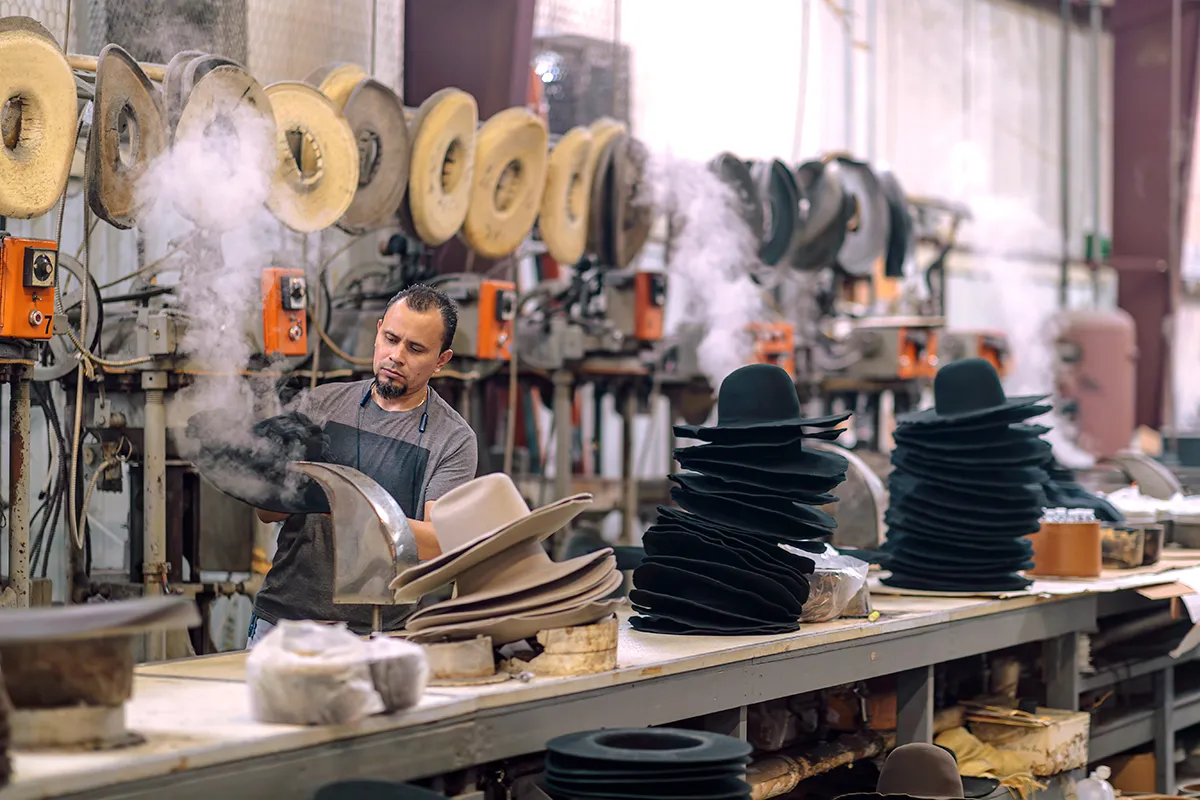
What Retailers Should Know About Variation
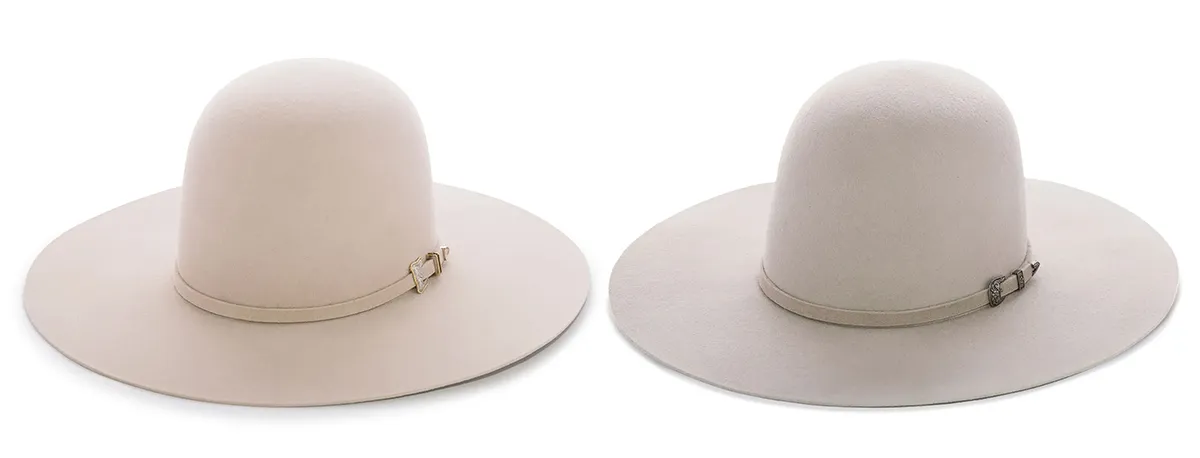
Slight variation does not indicate lower quality. In fact, it is a hallmark of authentic felt. Retailers who understand this can set expectations with customers and reduce unnecessary returns or concerns.
Retailer Takeaways
- Expect subtle variation between felt lots, especially in lighter tones
- Reorder within color families rather than expecting exact matches
- Position variation as proof of authenticity and craftsmanship
For Those Stocking MHT
Every hat is made to order.
Catalog orders typically ship in about 30 days
Custom orders typically ship in about 60 days
We cannot guarantee specific ship-by or delivery dates during peak seasons.
972-864-5523 | moc.srettahretsam@ecivresremotsuc